Monthly Museum Late
Healing Spaces
Can’t make it to the museum during our normal weekday hours?
Join us at one of our themed monthly museum lates for an opportunity to explore our exhibitions after hours!
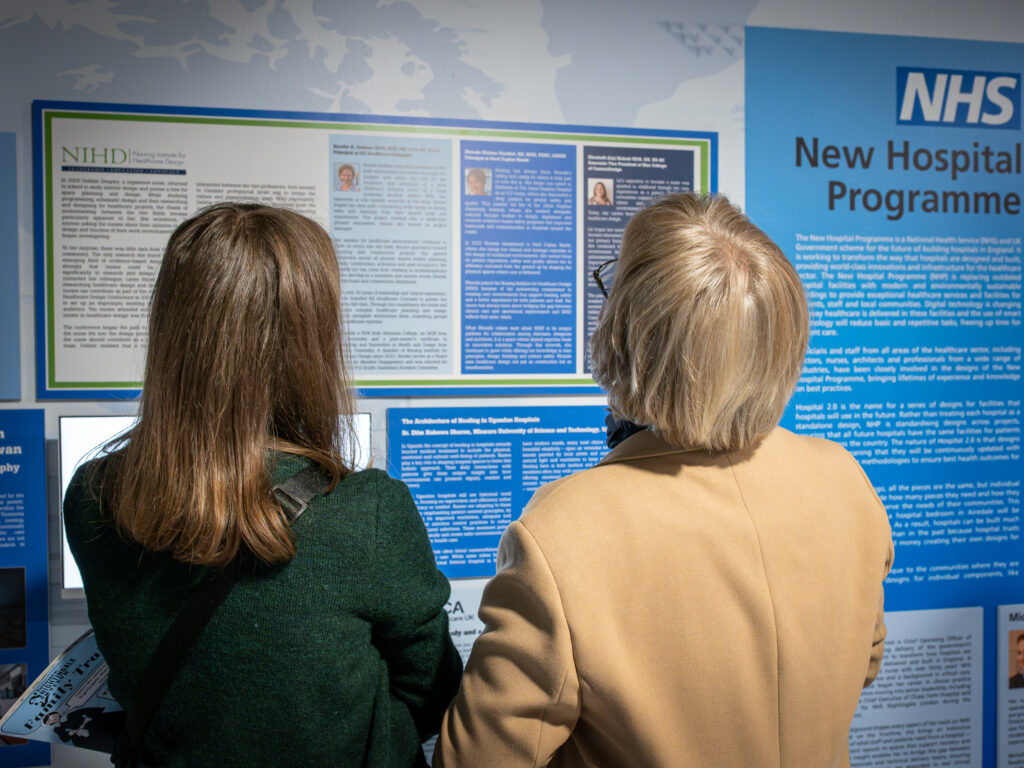
March’s late will be part of our programming surrounding our temporary exhibition, Healing Spaces: Healthcare Design Past, Present and Future. Explore the space with its compelling storytelling, interactive installations and voices from around the world. Our curator will also be on site showcasing some special objects from our collection that are connected to this exhibition.
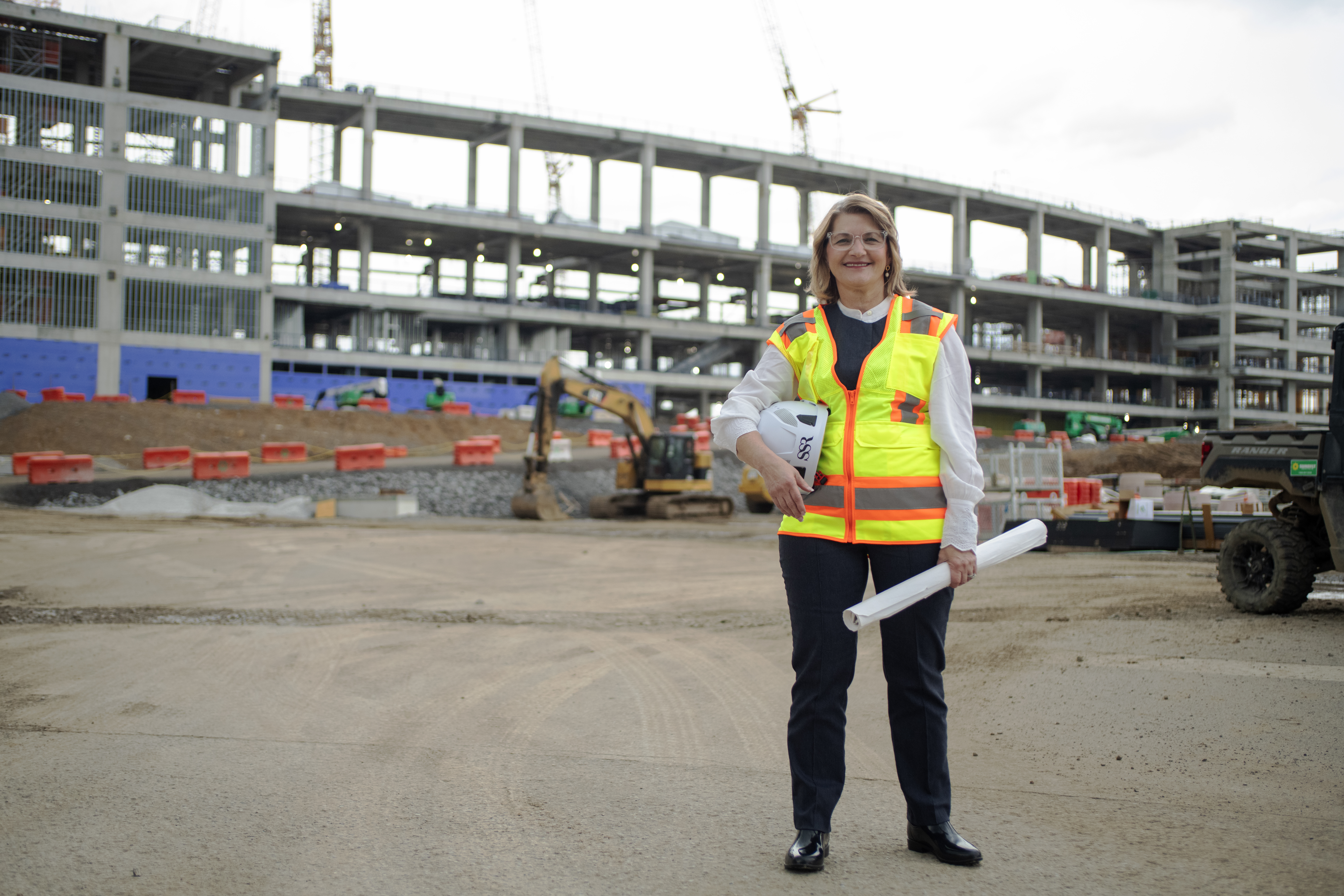
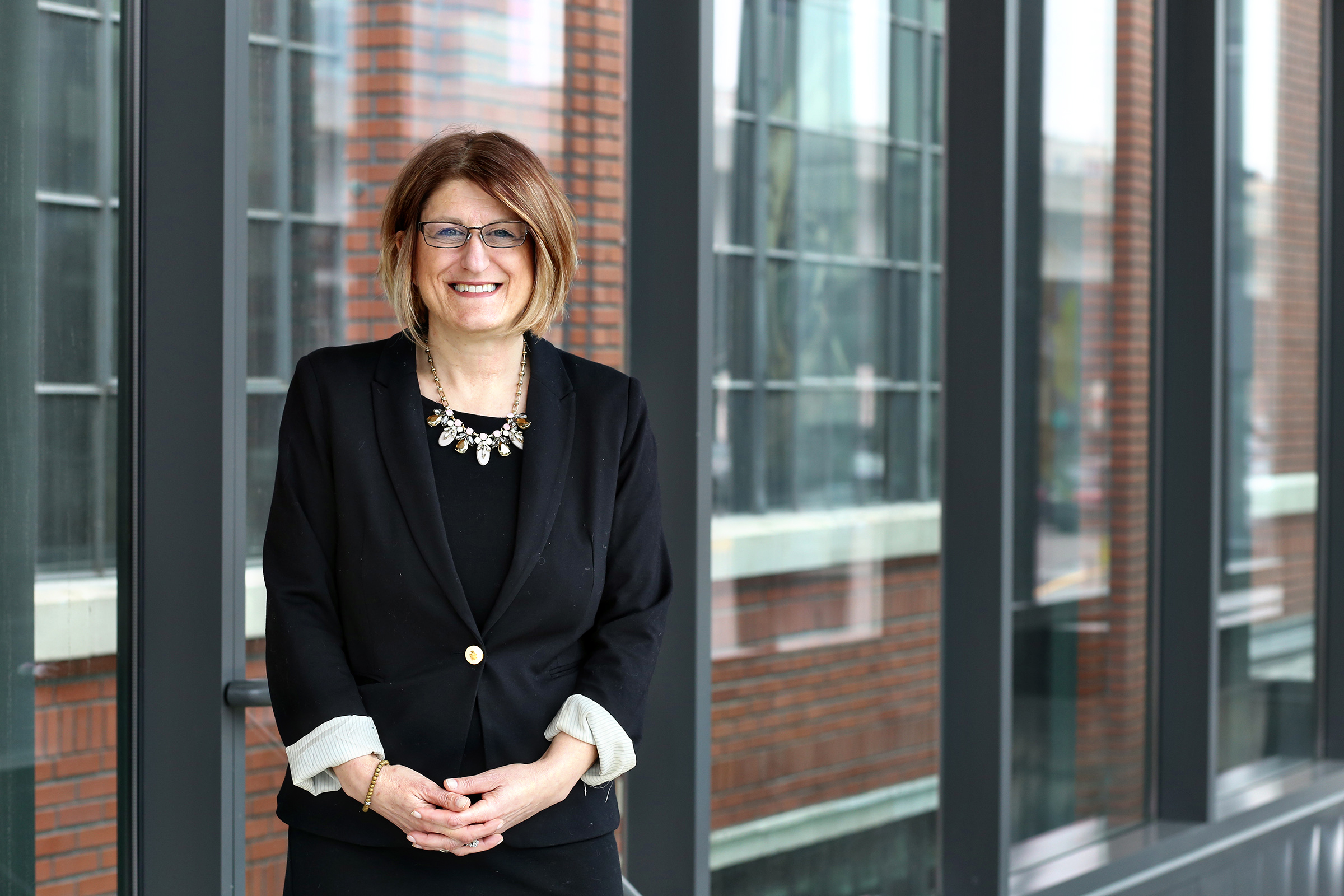
A themed talk – ‘Building on the Legacy- Nurses in Healthcare Design’ will be delivered via live stream at 6:30pm. The talk will last approximately 45 minutes and will include time for questions afterwards. The talk will be given by active professionals in the Healthcare Design field Debbie Gregory and Terri Zborowsky. They both co-curated the Healing Spaces exhibition alongside the Museum team and we are extremely grateful for their expertise and continued support of the museum.
Nurses provide leadership in the changing healthcare landscape through their roles in healthcare design. Florence Nightingale was one of the first nurses involved in healthcare design, writing about her environmental theory. Today, nurses take on a variety of roles in the healthcare design industry to shape future healthcare settings. The talk will share how nurses came to design and the important nursing skills that enabled them to transition into these new roles. It is important to recognize the legacy Nightingale created in this nursing domain that continues today. Join us for this exciting new perspective on how nurses contribute to healing environments.
All tickets purchased for the monthly museum lates are general admission tickets and will be valid for a full year. All general admission tickets (including those of repeat visitors) will be accepted for these monthly Thursday evening lates.
Unable to join onsite? Not a problem- as the talk is being delivered over zoom there is the option to join from anywhere in the world!
 This talk is part of a on-going series to accompany our temporary exhibition. The programmes have all been made possible by our Gold Sponsor, the American College of Healthcare Architects.